

Frequently Asked Questions
Can rodents be group housed using the VAB™?
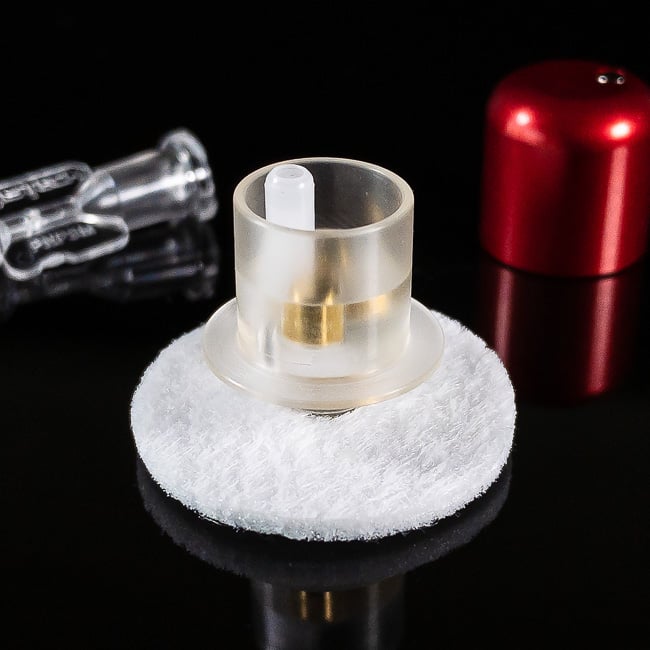
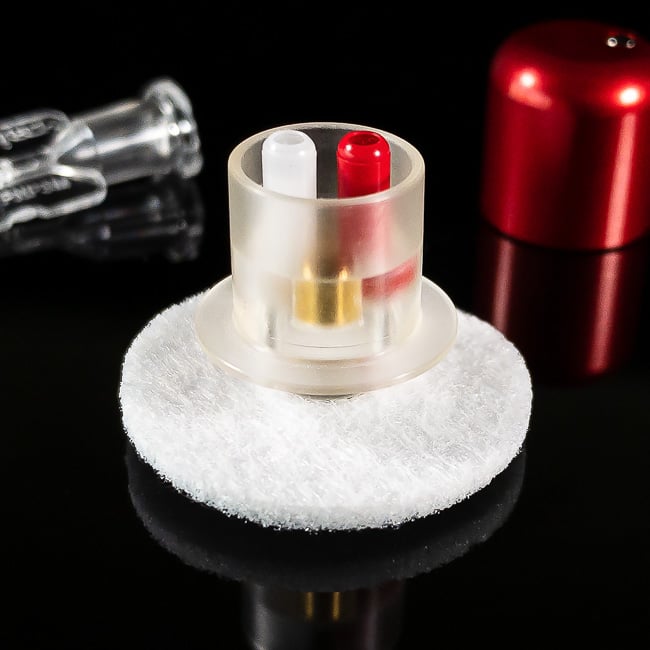
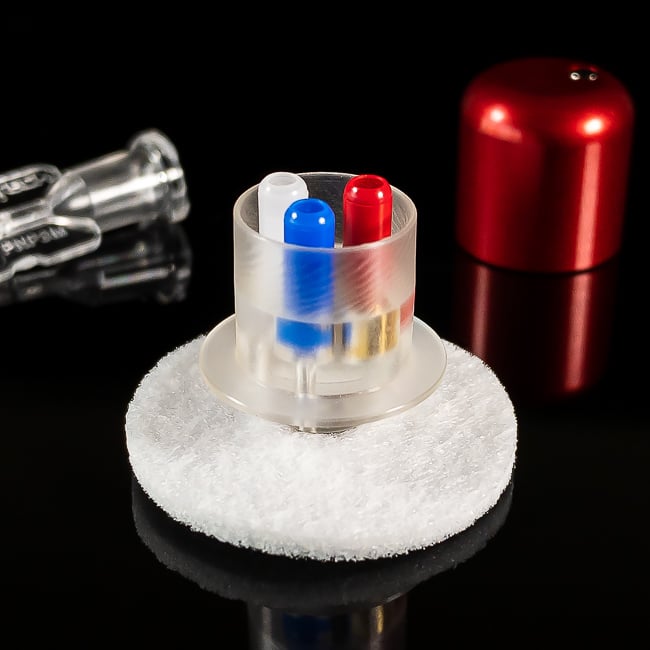
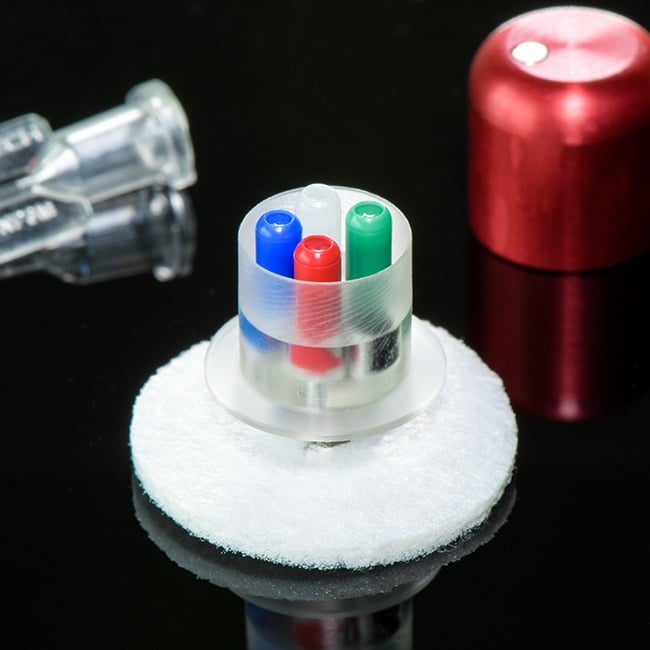
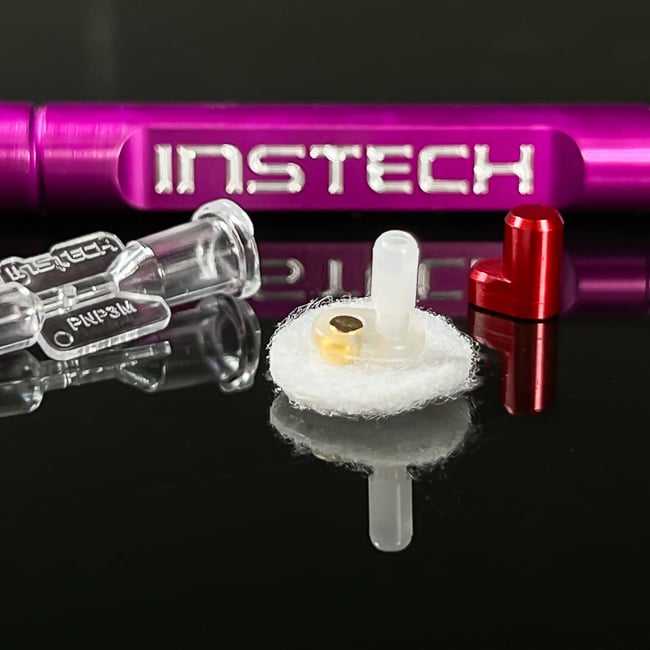
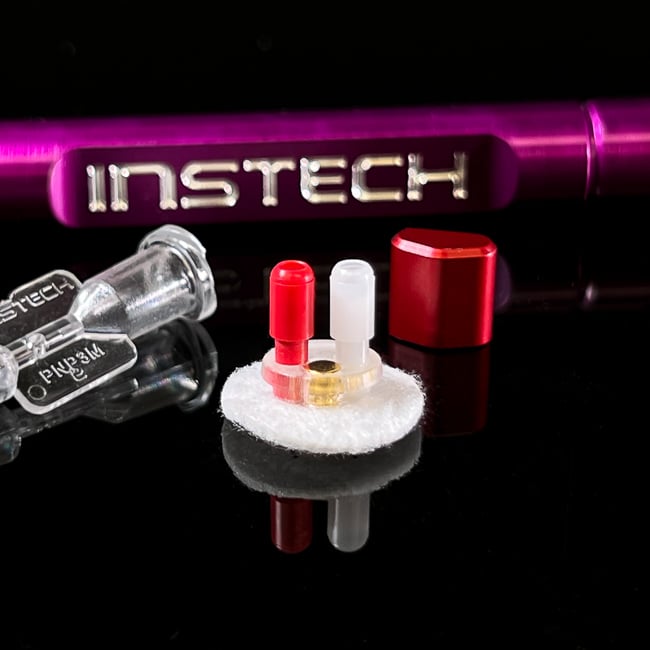
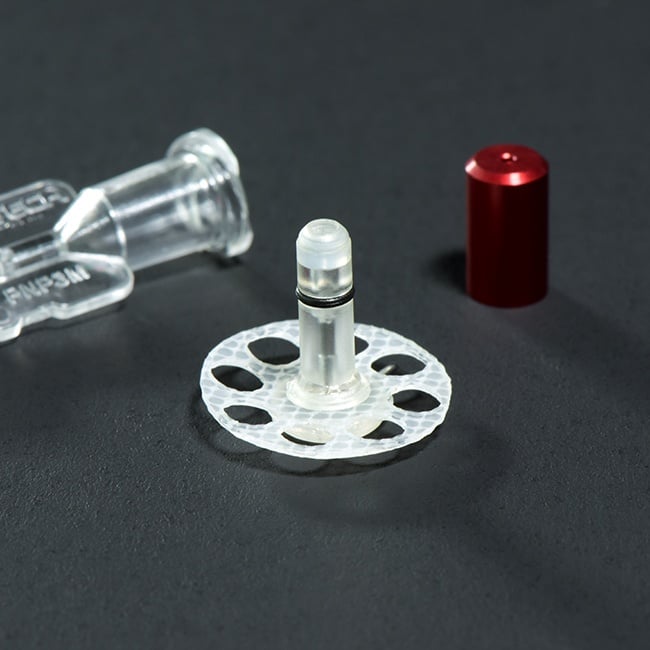
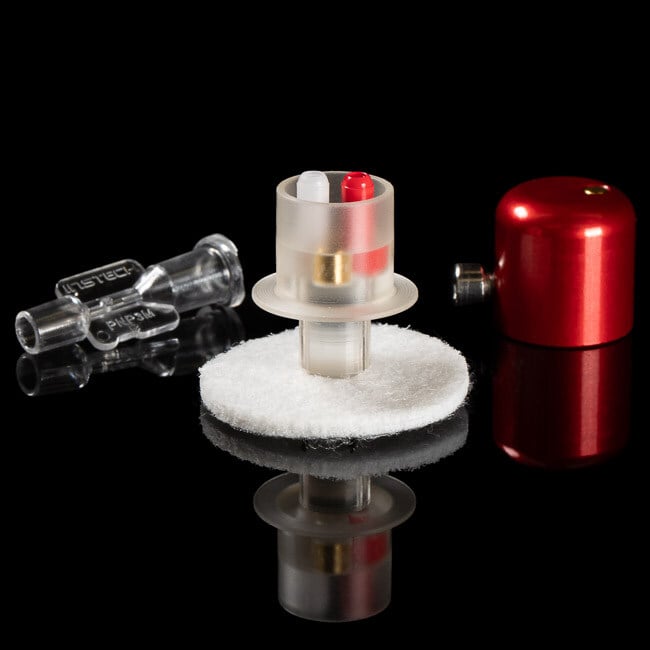
Yes! Group housing is possible with the VAB, and is an animal welfare recommended refinement. All you need is a magnetic cap (VABRC for rats, VABM1C for one channel mouse buttons, and VABM2JC for two channel mouse buttons).
Where can I find the sizing and dimensions of the VAB™?
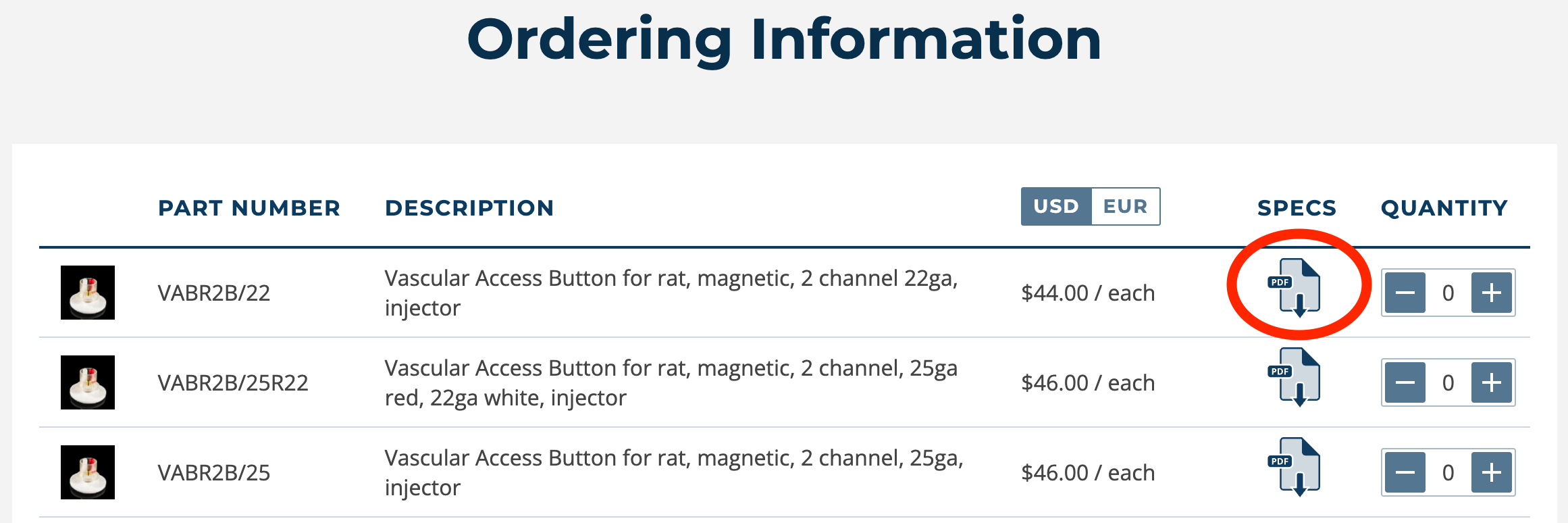
Once you've decided on mouse or rat, and the number of channels, locate the product in the Ordering Information table and download the specification sheet (Specs). From there you'll be able to see all the sizes, dead volumes, connection sizing, etc.
What kind of solution should I use to lock the VAB?
The 500 USP/mL Heparin/Dextrose or Heparin/Glycerol lock solutions have been widely used and have been evaluated, as seen in the CRL/Dr. Luo study from 2000. In this study, catheters were implanted in the venous system, more specifically in the femoral vein, and were exteriorized and sealed with plugs resulting in an open system. The high viscosity of the Heparin/Glycerol lock solution prevents evaporation of fluids in the exteriorized catheter while the Heparin/Dextrose solution minimizes bacterial growth. These two solutions are desirable with an open system, but they are not necessarily needed when using a closed system as provided by the Vascular Access Button™. When using a VAB™, the catheter completely lies subcutaneously, negating the need to prevent fluid evaporation. Additionally, the septum of the VAB™’s port provides a closed system which offers a clean way to connect to the vascular system, consequently minimizing the risks of infections.
When using a high heparin concentration solution there is a risk of introducing hazardous amounts of heparin into the bloodstream. Therefore, a good approach might be to use a lower and safer concentration heparin solution such as the 10 or 20 USP/mL heparinized saline (called flush solutions) with the VAB™ to lock the catheter when the system is frequently accessed. For example, when the animals are utilized daily or multiple times during the same day. When the animals are utilized infrequently and the system is not accessed often, a high heparin concentration solution may be best at preventing the formation of blood clots. For example, when the animals are recovering for surgery, commonly for one week, prior to being enrolled in studies. A good thing to know is that the recommended maintenance frequency with the Vascular Access Button™ is once per week.
The high viscosity of the Heparin/Glycerol solution may be beneficial in the arterial system as the high blood pressure present in the arteries may cause blood to infiltrate into the catheter and form a thrombus.
The bottom line is to choose and use the flush and lock solutions that work best for you and your animals but remember to be cautious when using high heparin concentration lock solutions.
Please see our range of catheter lock and flush solutions available in pre-filled syringes or in 10 or 50mL vials optionally with Instech’s needlefree PinPort™ technology built into the caps.
Do you provide surgical guides on proper VAB™ implantation?
We do not provide step by step instructions for VAB implantation. We do provide Instructions for Use (IFUs) to get the most from your button.
VAB IFU for Rats
VAB IFU for Mice
If you need assistance with surgery, we do offer live online catheterization courses for both mice and rats where we cover both catheterization and button implantation. Learn more
Is there a limit to the number of times we can connect/disconnect/access the VAB™ over its lifetime?
There is no specified limit to the number of times you can access the ports in your VAB. There are some ways to extend the lifetime of your button, however. Never access the ports at an angle, always use a PNP3M injector to access (never pierce or puncture the septum), and keep the ports clean.
Do you manufacture VABs™ for any large animals?
While our VABs are primarily used for rodents, researchers have found success using the VAB in other species. The standard VAB has been used with rabbits, ferrets, hamsters, and guinea pigs. We also make a specific version of the VAB for miniature pigs.