- Applications
- Oral Gavage
- IV Drug Infusion
- Mouse Intermittent
- Mouse Continuous Infusion
- Mouse Continuous Infusion Plus Blood Sampling
- Mouse Two Channel Infusion
- Rat Intermittent
- Rat Continuous Infusion
- Rat Intermittent Infusion and Blood Sampling
- Rat Continuous Infusion Plus Blood Sampling
- Rat IV Bolus
- Rat Two-Channel Infusion
- Rat Infusion and Whole Body Plethysmography
- Rat GLP Infusion Toxicology Studies
- Large Animal Continuous Ambulatory Infusion
- IV Self-Administration
- Blood Sampling
- Glucose Clamp
- Bile Sampling
- Products
- Feeding Tubes
- Catheter Flush and Lock Solutions
- Catheters
- Buttons & Tethers
- Swivels & Mounts
- Tubing, PinPorts™ & Connectors
- Pumps
- Automated Blood Sampler
- Rodent Dose Puller
- Education
- Resources
PinPorts™
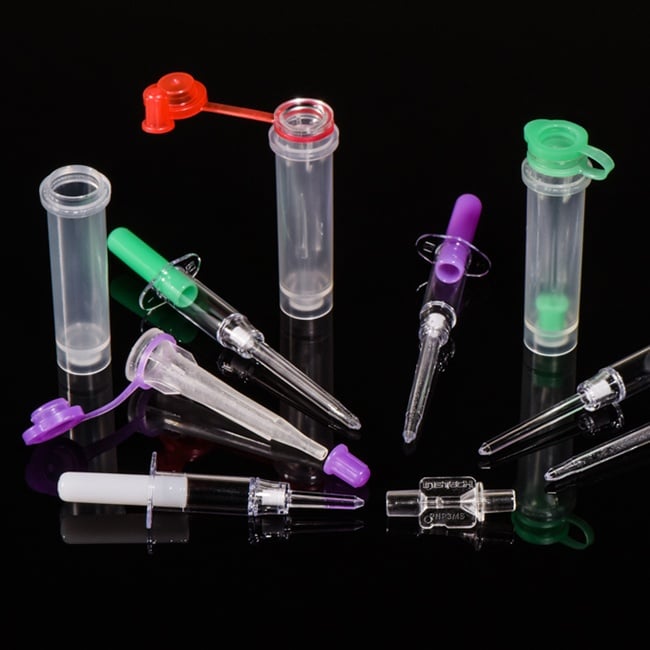
Quick. Clean. Safe.
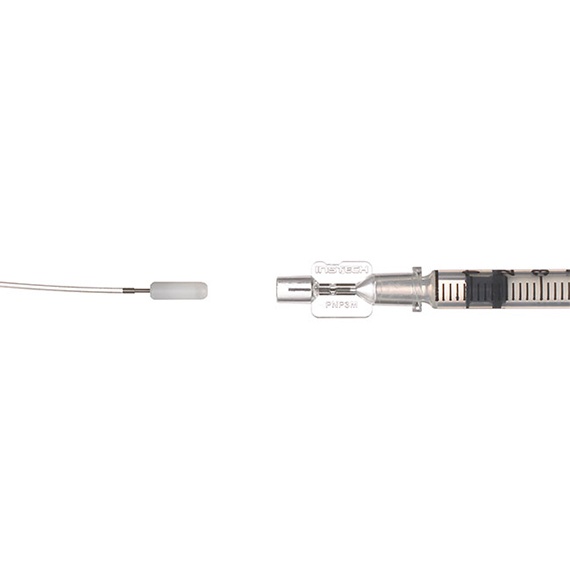
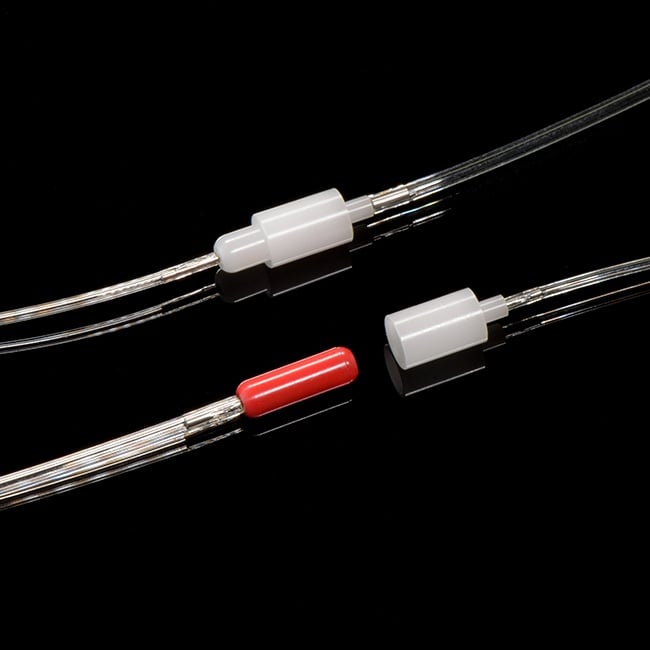
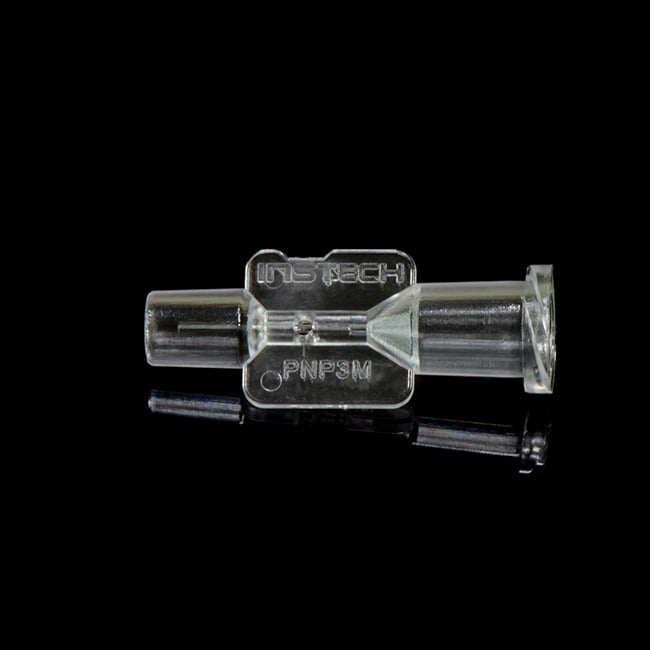
PinPorts™ provide fast, aseptic access to externalized laboratory animal catheters, tubing or cannulae for dosing or sampling. They can reduce study costs and improve compliance with the 3Rs. The system consists of a lightweight port, just 3mm in diameter, and a mating injector or connector which can access the port hundreds of times.
Quick. Infuse or withdraw from a catheter in a fraction of the time it takes with plugs and blunt needles.
Clean. The PinPort™ is a closed system that permits aseptic technique. This can reduce infection, improve patency and ultimately reduce the number of animals required for a study.
Safe. The injector is recessed and provides complete needle stick protection for personnel.
For research use only.

Frequently Asked Questions
How does the PinPort™ work?
PinPorts™ provide fast, aseptic access to externalized catheters, tubing or cannulae for dosing or sampling by using a septum to maintain a closed system.
Are the PinPorts™ reusable?
Using our injector, you can access the same port hundreds of times. We do not recommend, however, reusing the port in different animals.
Do PinPorts™ work with both mice and rats?
PinPorts will work with any model, however it’s important that the PinPort cannot be reached. This can be nearly impossible with mice. If your needs demand repeated access, consider the Vascular Access Button.
Are PinPorts™ better for patency?
Absolutely! Using a closed system like a PinPort™ can have a dramatic improved effect on patency. Why, you ask? Have you ever wondered what is happening beneath the skin when you’re accessing catheters with blunt needles and plugs? We did, so we ran a test: with plugs, blood will fill the tip of your catheter every time which can lead to blockages, but with PinPorts™ you can use a simple positive pressure technique to keep it out.
Can I connect the PinPorts™ to my tubing?
Yes! If you’re used to using steel plugs the PinPort is no different, except for how you access. Where before you had to clamp, remove plug, connect syringe, replace plug, reclamp, etc., now you just access the PinPort directly with your syringe and PNP3M injector.
Check out this “Video: A Side by Side Look at Plugs vs PinPort™” in our “Analysis of a PinPort” blog.
What is the difference between the PinPort™ colors?
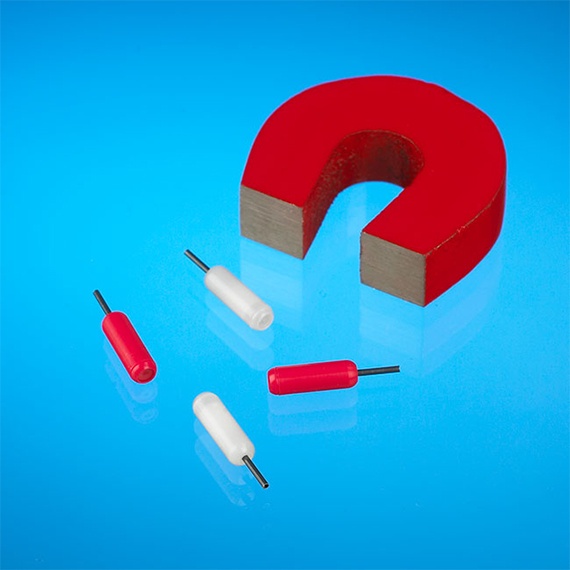
PinPorts are available in white and red to help distinguish between vessels.
Are the PinPorts™ MRI compatible?
Standard PinPorts are not suitable for MRI usage, however we do make MRI-compatible PinPorts that are made with Nitinol tubing instead of stainless steel.